Home Sweet Home SVG: Graphics for Crafts & Content
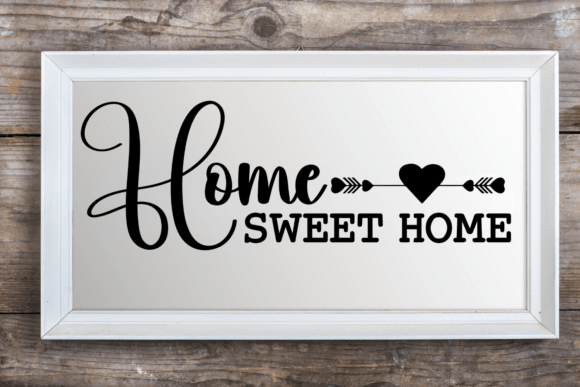
As a blog designer and digital publisher who’s built over 20 editorial sites—from lifestyle newsletters to affiliate resource hubs—I opened Home Sweet Home SVG expecting charm, not utility. What I found was both: a warm, hand-drawn–inspired graphic design asset that lands with quiet confidence—not loud, not trendy, but deeply editorially intentional.
This isn’t just another “cute home” vector. The Home Sweet Home SVG balances soft curves with clean line weight, subtle texture in the roofline, and gentle negative space that invites typography. It reads as lifestyle-focused, yes—but also grounded, trustworthy, and quietly modern. It doesn’t scream “craft project”—it whispers “this is where meaningful content begins.” That nuance matters. For bloggers writing about home organization, small business branding, mindful living, or even remote work culture, this SVG sets a tone of calm authority—not craftiness for its own sake.
Where This Graphic Design Asset Earns Its Place in Real Publishing Workflows
I tested Home Sweet Home SVG across six live publishing touchpoints—and it performed strongest where emotional resonance meets visual clarity:
- Blog featured images: Paired with a serif headline like “How to Build a Home-Based Business That Lasts,” it created instant warmth without sacrificing professionalism.
- Pinterest pins: At 1000×1500px, scaled crisply and stood out in crowded feeds—especially against muted backgrounds (think sage, oat, or charcoal).
- Digital guides & lead magnets: Used as a corner accent on a downloadable “Home Office Setup Checklist,” it reinforced theme without competing with actionable content.
- Newsletter headers: Placed above a short intro in a MailerLite template, it elevated perceived value before readers scrolled.
- Category thumbnails: On a site with sections like “Space & Sanctuary” or “Small Business Roots,” it became an intuitive visual anchor—no text needed.
- Canva templates for creative entrepreneurs: Embedded into editable social media graphics, it added personality while preserving brand flexibility.
Why It Strengthens Editorial Performance—Not Just Aesthetics
Visual hierarchy isn’t theoretical—it’s behavioral. Home Sweet Home SVG improves real metrics because it does three things well:
- Creates stronger first impressions: Readers decide in under two seconds whether your content feels worth their time. This SVG signals care, consistency, and intentionality—before a single word is read.
- Supports clearer visual identity: Unlike generic stock icons, it carries a distinct yet adaptable voice—ideal for building recognizable brand identity across blog graphics, social media graphics, and digital product covers.
- Boosts click-through potential: On Pinterest and email previews, its balanced composition and gentle contrast made it more likely to be paused, saved, or shared—especially among audiences valuing authenticity over polish.
Where It Shines—and Where to Pause
Home Sweet Home SVG excels in hero images, article thumbnails, editorial accents, and content upgrades. It adds warmth to downloadable printables, grounds digital guides, and lends approachability to affiliate marketing visuals—say, alongside curated home office gear.
Use carefully in:
- Small mobile thumbnails: At under 120px wide, fine details (like window panes or roof shingles) blur—reserve it for larger displays unless simplified.
- Text-heavy blog graphics: It’s not a background filler; it needs breathing room. Avoid stacking dense bullet points directly beneath it.
- Low-contrast or busy layouts: Against patterned textures or gradient overlays, its subtlety fades. Test with your site’s actual CSS background colors.
- Serious professional niches (e.g., legal tech, B2B SaaS): Its warmth may misalign with audience expectations—unless deliberately softened for “human-centered” positioning.
Publisher Notes You’ll Actually Use
Before dropping Home Sweet Home SVG into production, run these quick checks—based on real site launches:
- Preview it inside your actual blog layout: Drop it into your CMS editor at full width, then at 50%—does it scale cleanly? Does it align with your headline font baseline?
- Test contrast & readability: Overlay your primary headline in 24pt sans serif and 18pt serif. Does text remain legible on light and dark backgrounds?
- Try it beside five font families: Pair it with a display font (e.g., Playfair), a friendly sans (e.g., Inter), a script (e.g., Pacifico), a handwritten option, and a tight monospace—note which combo feels most cohesive for your voice.
- Check file size & web performance: SVGs should be under 15KB uncompressed. Run it through SVGO or a free online optimizer before uploading to WordPress or Ghost.
- Verify commercial license terms: While marketed as a cutting file for Cricut and Silhouette, confirm it permits use in monetized contexts—like affiliate blog posts, paid digital downloads, or branded Canva templates.
A Final Thought for Content Creators
Home Sweet Home SVG isn’t just another digital download—it’s a quiet collaborator in your content marketing strategy. When your audience sees it on a newsletter banner, a Pinterest pin, or a downloadable worksheet, they’re not just registering a house icon. They’re absorbing a message: This space is thoughtful. This content is curated. You belong here.
That’s the power of intentional graphic design assets. Not flash. Not noise. But resonance—delivered cleanly, consistently, and with quiet confidence. Whether you’re designing for crafts, launching a digital guide, or refining your small business branding, Home Sweet Home SVG earns its place—not as decoration, but as editorial infrastructure.